I've had dogs and cats in my house for over 20 years, which means I've also had fur on my couch, fur in my coffee, and fur in places that defy the laws of physics. What I've learned the hard way is that grooming isn't just about appearances. It's one of the fastest, cheapest ways to keep your pets healthy and catch problems before they turn into vet bills. Most of these habits take five minutes or less. The one tool I reach for most is the Pat Your Pet double-sided deshedding brush, which works on both my dogs and my cats without me needing a separate tool for each. Here are the 10 habits that have made the biggest difference for my crew.
Quick note: none of this replaces your vet. If you find a lump, a sore, or something that looks infected during any of these checks, that's a call-your-vet situation. I'm just a pet mom who's been at this a long time, not a veterinarian.
Tired of finding fur in your food and furniture? This brush pulls out the undercoat before it ends up everywhere else.
The Pat Your Pet double-sided brush has a 4.6-star rating from over 42,000 pet owners. One side for deshedding, the other for finishing and smoothing. Works on dogs and cats. Budget-friendly.
Amazon Check Today's Price on Amazon →Brush Before the Fur Hits the Floor
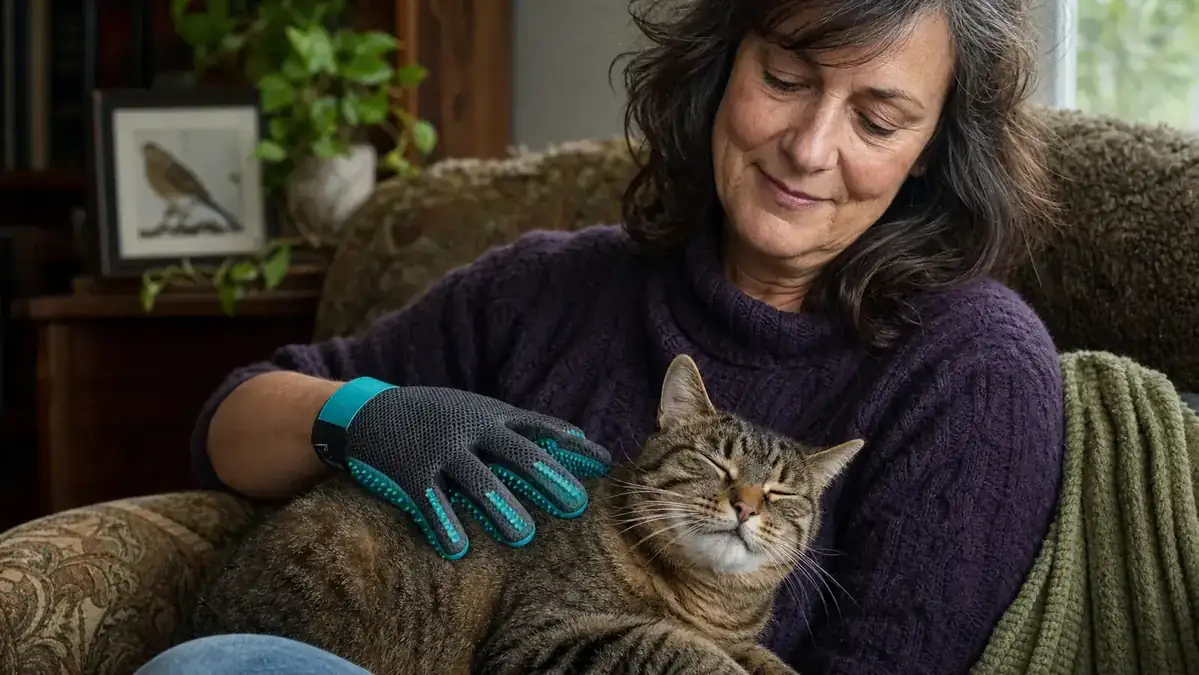
The single most effective thing you can do to cut down on shedding is to intercept the fur before it detaches. Loose undercoat doesn't fall out all at once. It loosens gradually, and a brush session every two to three days pulls it out on your terms instead of your pet's. I use the deshedding side of the Pat Your Pet brush on my Huskies and my Maine Coon, and the amount it pulls out in five minutes still surprises me. Your furniture will thank you. Read more on reducing shedding at home.
Run Your Hands Along the Skin While You Brush
Brushing is also the best excuse to do a quick skin check. As you work through the coat, part the fur every few inches and glance at the skin. You're looking for redness, flakiness, hot spots, unusual bumps, or anything that looks inflamed. I've caught early hot spots and a small cyst on my Lab mix this way, both before they became bigger problems. Think of it as a five-minute physical that your pet actually enjoys.
Check Ears Once a Week
Ear infections in dogs are extremely common and almost always get worse if they go unnoticed. A healthy ear smells like nothing and looks pale pink inside. A problem ear smells yeasty or like old cheese, looks dark or waxy, or makes your dog shake their head repeatedly. Cats are less prone to ear infections but can get ear mites, which look like dark coffee grounds inside the ear. One-minute weekly check. Pair it with your brush session so it becomes automatic.
Brush the Belly and Armpits, Not Just the Back
This is the one most people skip, which is why I put it at number four. The areas where legs meet the torso, the chest, and the belly are where mats form first on long-coated dogs and cats. They're also where ticks and fleas like to hide because the fur is thicker and warmer. A double-sided brush with a gentler finishing side makes this easier on pets who get squirmy when you flip them over. The softer side of the Pat Your Pet brush is what I use for sensitive spots.
Trim Nails Before They Curl
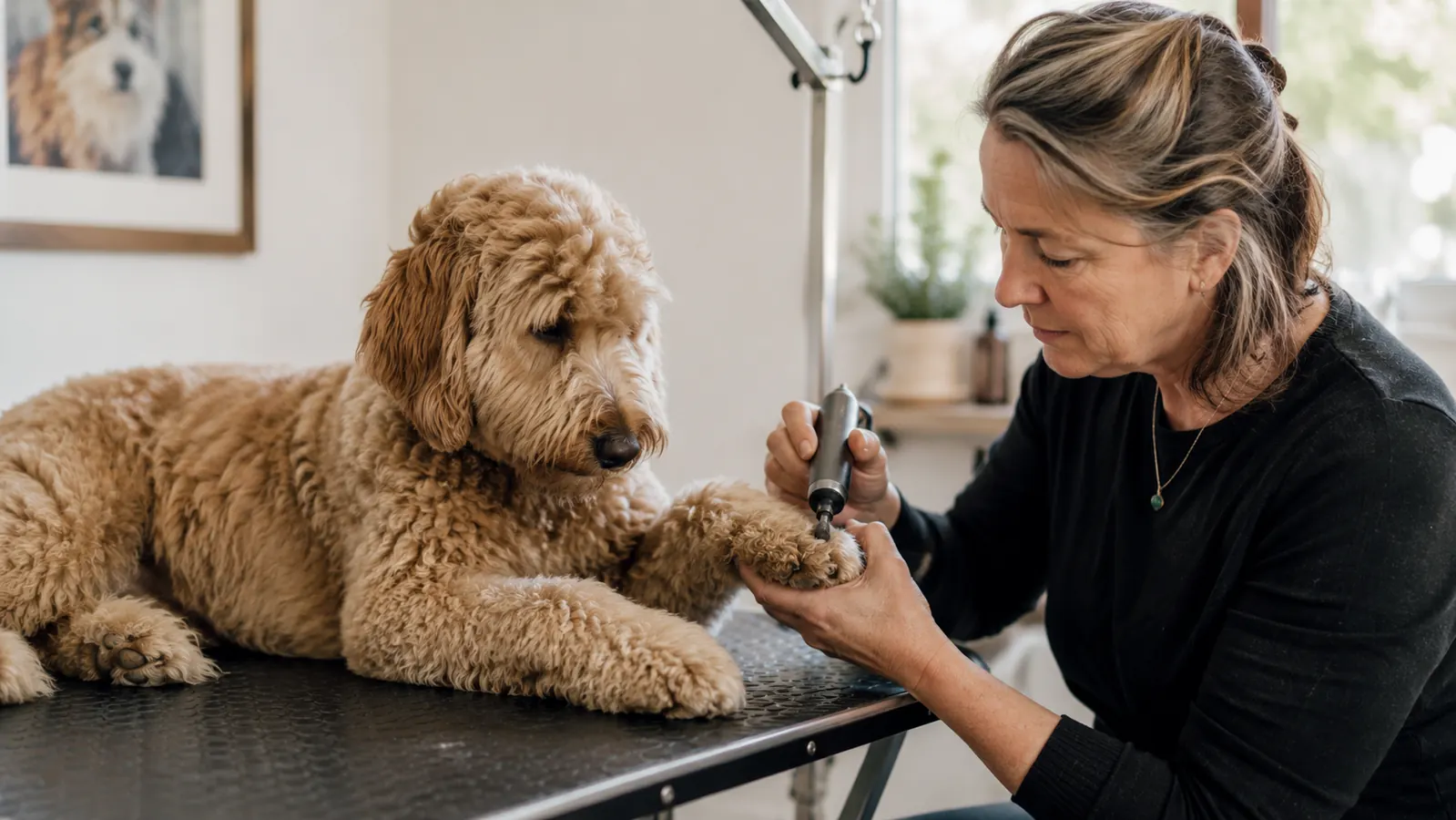
Long nails change how a dog or cat walks. The nail presses back into the toe with every step, which over time affects posture and puts stress on joints. For senior or arthritic pets, this matters more than most owners realize. You don't need to do a full trim every week. Just check the nails when you brush, and trim the tip off any nail that's starting to curve. If you can hear clicking on the floor, they're overdue.
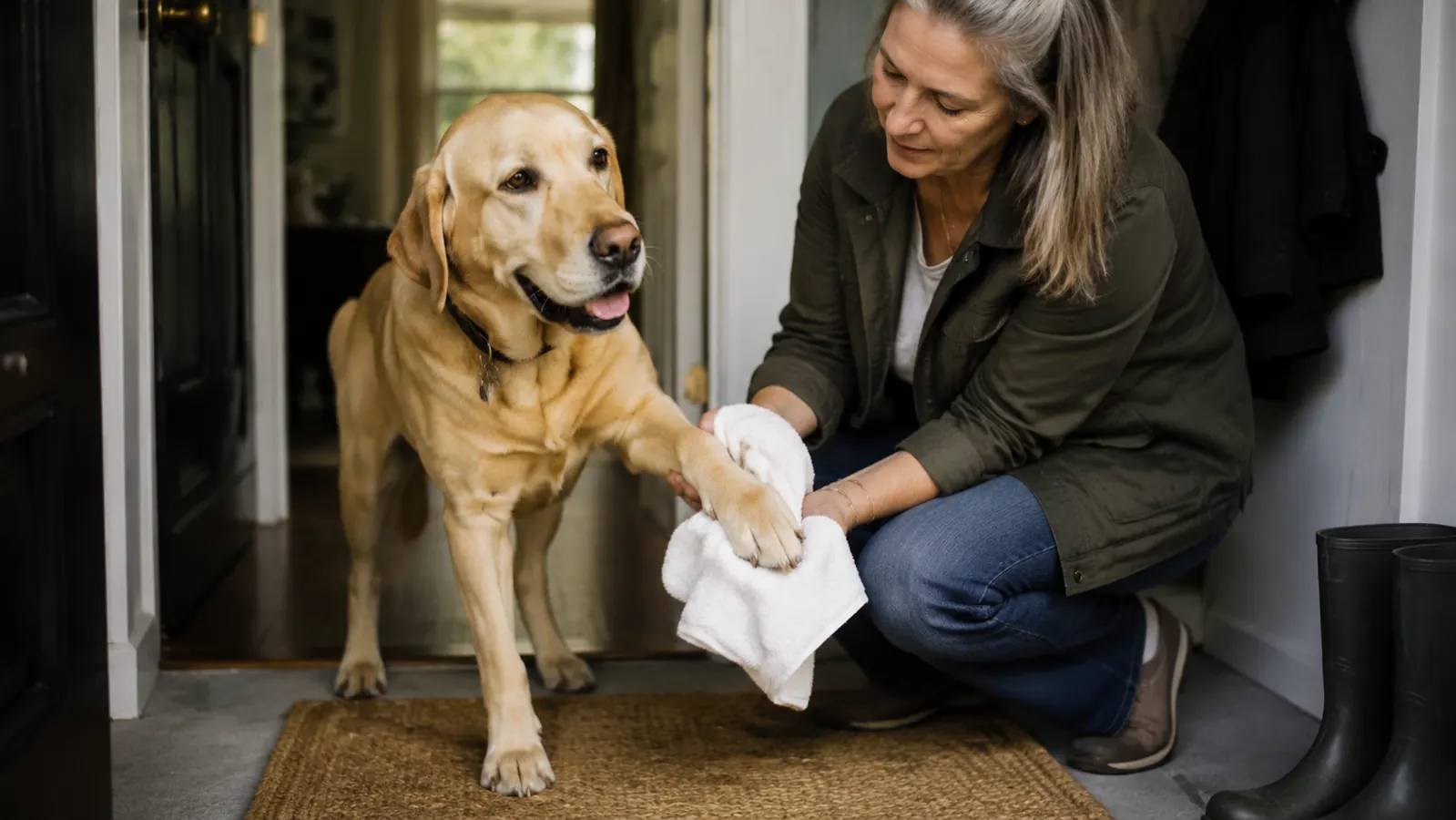
Wipe Paws After Outdoor Time
Paws pick up everything: pesticides, road salt, mold spores, and fertilizers. Dogs lick their paws constantly, which means anything on the paw ends up inside your dog. A quick wipe with a damp cloth or pet-safe wipe after walks takes 30 seconds and makes a real difference, especially for pets with allergies. Cats who go outside benefit from the same routine. While you're at it, check between the toes for cuts, swelling, or small rocks wedged in the pads.
Brush Teeth Two or Three Times a Week
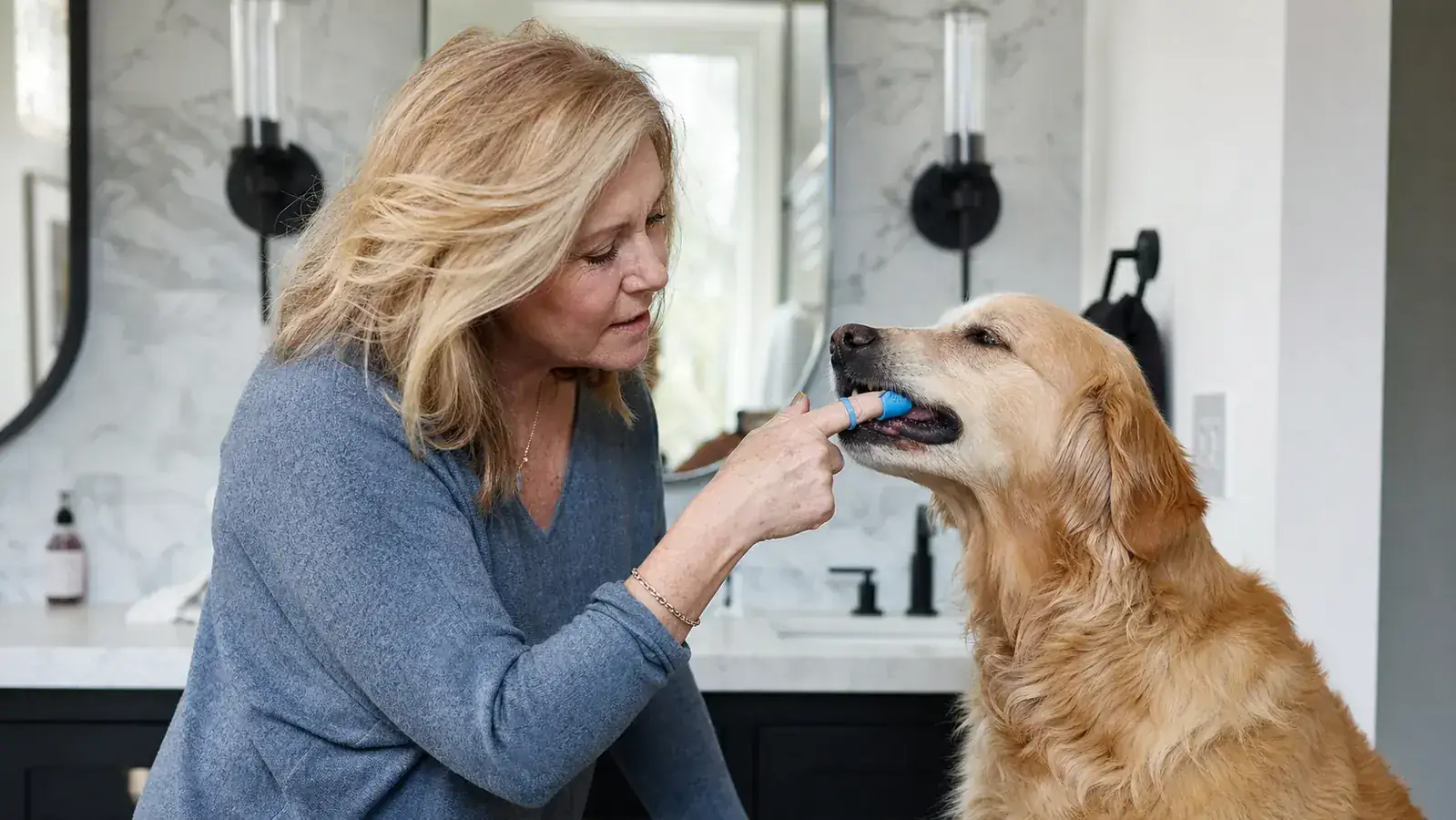
I know. Nobody likes doing this. My dogs protest like I'm trying to take something from them. But dental disease affects around 80% of dogs over age three, and it's not just about bad breath. Bacteria from gum disease can enter the bloodstream and affect the heart and kidneys over time. You don't need a full dental kit. A finger brush and pet-safe toothpaste two or three times a week makes a measurable difference. Start slow, reward heavily, and keep sessions under a minute until they get used to it.
Clean the Face Folds on Short-Nosed Breeds
Bulldogs, Persians, Shih Tzus, pugs, and any other pet with facial skin folds need those folds wiped clean at least every other day. Moisture and debris collect in the creases and create the perfect environment for yeast and bacterial infections. You'll know a fold infection when you smell it. A dry cotton pad or a pet-safe wipe drawn gently through each fold takes about 90 seconds and prevents a problem that usually requires a vet visit and a round of antibiotics to clear up.
Do a Flea and Tick Check After Every Outdoor Session in Peak Season
Fleas and ticks are fastest to deal with when you catch them immediately. Run your fingers through your pet's coat, paying special attention to behind the ears, under the collar, in the groin area, and between the toes. This takes about two minutes. Doing it right after coming inside means the tick or flea hasn't had time to burrow or bite. A brush session right after a park walk or hike doubles as a quick check, since you're already parting the coat. Here's how I use the Pat Your Pet brush as part of my post-walk routine.
Make Grooming a Calm Routine, Not a Struggle
The best grooming habit is one your pet tolerates, or better yet, looks forward to. Short, consistent sessions are more effective than occasional marathon sessions that stress your pet out. Start with whatever part they like best. End before they're done. Keep a few treats nearby. Over a few weeks most dogs and cats come to expect the routine and settle into it. A brush that feels comfortable matters here. The Pat Your Pet brush has rounded pins that don't scratch the skin, which helps with pets who used to bolt the moment they saw a comb.
What I Would Skip
I'd skip any grooming tool with razor-edge blades that claims to work on every coat type. Those are fine for specific short-coated breeds, but they can tear through the topcoat on double-coated dogs and cats rather than pulling the undercoat cleanly. I've also stopped buying individual tools for each of my pets. One double-sided brush that handles both fine and coarse coats is more useful than four specialty items collecting dust in a drawer. The Pat Your Pet brush is the one I've landed on after trying a lot of others, and at a budget price it costs less than a single trip to the groomer.
Grooming is not about making your pet look fancy. It is about catching what you cannot see until it becomes a problem.
One brush that works on both your dog and your cat. Budget-friendly. 42,000+ five-star reviews.
The Pat Your Pet double-sided deshedding brush has a rounded-pin side for everyday brushing and a deshedding side for pulling out loose undercoat before it lands on your couch. Works on short, medium, and long coats for both dogs and cats.
Amazon Check Today's Price on Amazon →